
Buying a home in Canada is likely the biggest financial transaction of your life. It is exciting, stressful, and unfortunately, prone to expensive errors. That’s why being knowledgeable about your mortgage can be key.
Recent surveys suggest that nearly one-third of Canadian homeowners regret their current mortgage situation. Whether it’s becoming “house poor,” getting stung by penalties, or simply paying too much interest, these regrets often stem from preventable mistakes.
If you are buying your first home or renewing your current mortgage, avoiding these common pitfalls can save you thousands of dollars.
1. The “Mortgage Rate Obsession” Trap
The most common mistake Canadians make is choosing a mortgage based solely on the lowest interest rate.
While a 3.99% rate looks better than 4.09% on paper, the “cheaper” mortgage often comes with restrictive conditions. These “no-frills” mortgages might have a bonafide sales clause, meaning you cannot break the mortgage unless you sell the property. If you need to refinance or move for work, you are stuck.
The Fix: Look beyond the headline rate. Ask about prepayment privileges, portability (can you move the mortgage to a new house?), and penalties for breaking the term early. A slightly higher rate with flexible terms is often cheaper in the long run.
2. Paying the “Loyalty Tax” at Renewal
Canadians are incredibly loyal to their banks. Unfortunately, that loyalty is rarely rewarded.
When your mortgage comes up for renewal, your lender will send you a letter with a renewal offer. It is convenient to just sign it and send it back—but this is a mistake. Lenders often offer existing clients a “posted” rate or a mediocre discount, banking on your laziness. This is known as the “loyalty tax.”
The Fix: Treat your renewal like a new mortgage application. Start shopping around 4 months before your term expires. Even if you want to stay with your current lender, bringing them a competitive offer from a rival bank or broker will often force them to match it, potentially saving you thousands in interest over the next five years.

3. Maxing Out Your Mortgage Affordability
Just because the bank says you can borrow $700,000, doesn’t mean you should.
Lenders use “Gross Debt Service” (GDS) and “Total Debt Service” (TDS) ratios to determine your maximum loan. However, these formulas don’t account for your specific lifestyle—daycare costs, hobbies, travel, or retirement savings. Borrowing the maximum amount leaves you with zero financial buffer. If interest rates rise or your income drops, you become “house poor.”
The Fix: Create a budget based on your net income, not the bank’s gross income formulas. aim to spend less than your pre-approval limit to ensure you can still afford a life outside your four walls.
4. Ignoring the “Hidden” Closing Costs
Many first-time buyers focus entirely on the down payment and forget the cash required to actually close the deal. This leads to a frantic scramble for funds in the final days before possession.
Common closing costs include:
- Land Transfer Tax: In some provinces (and cities like Toronto), this can be double the expected amount.
- Legal Fees: Lawyers differ in price; always get a quote that includes “disbursements.”
- Adjustments: You may have to reimburse the seller for property taxes or utilities they prepaid.
- Title Insurance: A one-time fee that protects your ownership.
The Fix: As a general rule, set aside 1.5% to 4% of the purchase price (over and above your down payment) to cover closing costs.
5. Variable vs. Fixed: Timing the Market
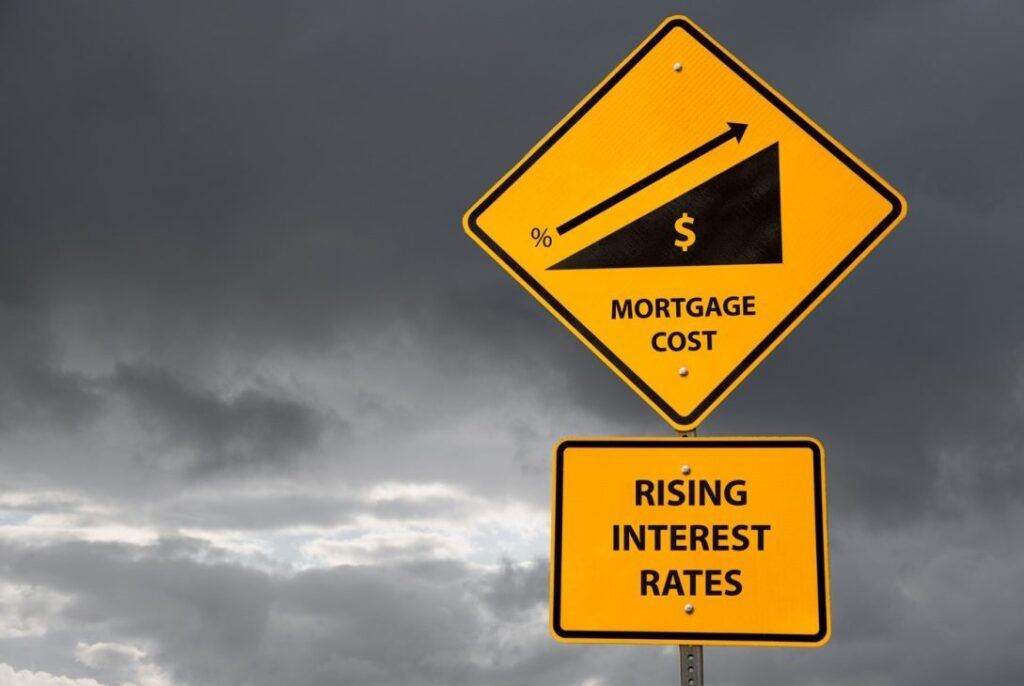
In recent years, many Canadians have regretted locking into peak fixed rates out of fear, or conversely, riding a variable rate up during aggressive Bank of Canada hikes.
The mistake here isn’t necessarily choosing one or the other—it’s choosing one for the wrong reasons. Choosing variable because it’s “cheaper right now” without the budget to handle payment increases is dangerous. Similarly, locking into a 5-year fixed term when you plan to move in three years can trigger massive penalties (especially with big banks using “Interest Rate Differential” calculations).
The Fix: Match your mortgage term to your life plans, not just today’s economy. If you might move in 3 years, don’t take a 5-year fixed term. If you lose sleep over news headlines, a variable rate isn’t for you.
The best mortgage isn’t always the one with the lowest rate—it’s the one that fits your financial goals and offers flexibility. By shopping around, budgeting for hidden costs, and ignoring the pressure to borrow the maximum, you can ensure your home remains a blessing, not a burden.